
The Universal Destination of Goods
“Private property is a right, but its use and regulation need to keep in mind...The goods of life—land, lodging, and labor—should be made available to all. This is not altruism or goodwill; it is what love demands. The early Church fathers made clear that giving to the poor is just giving back to them what is theirs, for God intended the goods of the earth for all, without excluding anyone.” (Pope Francis, Let Us Dream)
“…[O]ur relationship with the Lord, expressed in worship, also aims to free us from the risk of living our relationships according to a logic of calculation and self-interest. We are instead open to the gratuitousness that surrounds those who love one another and, therefore, share everything in common.” (Pope Leo XIV, Dilexi te no. 27)
WHAT IS THE UNIVERSAL DESTINATION OF GOODS?
The African Faith and Justice Network (AFJN) was founded 40 years ago on Catholic Social Teaching principles and the universality of the Catholic Church. According to Steven Nabieu Rodgers, PhD, Executive Director of AFJN, this foundation established that there is a connection among all human beings and no matter what your economic status is, everyone’s dignity must be respected. AFJN makes the connection between the United States and the people of Africa to increase understanding and advocate for Africa’s self-empowerment.
HOW DOES THE AFRICAN FAITH AND JUSTICE NETWORK PRACTICE THE UNIVERSAL DESTINATION OF GOODS?
AFJN works with and for the people of Africa, says Dr. Rodgers, focusing on education and advocacy to enable Africans to recognize that they are agents of their own destiny. He has seen Africans embrace their self-determination by taking responsibility within the AFJN to leverage their lived experience on the continent and their understanding of the nuances of local power. AFJN continues to work with Africans by empowering them to focus on systemic issues of economic justice, particularly good governance and land rights.
AFJN also advocates for responsible United States (US) relations with Africa, in close collaboration with Catholic missionary congregations and numerous Africa-focused coalitions of all persuasions to advocate for US economic and political policies that will benefit Africa’s poor majority, facilitate an end to armed conflict, establish equitable trade and investment with Africa and promote sustainable development.
WHAT IS THE IMPACT?
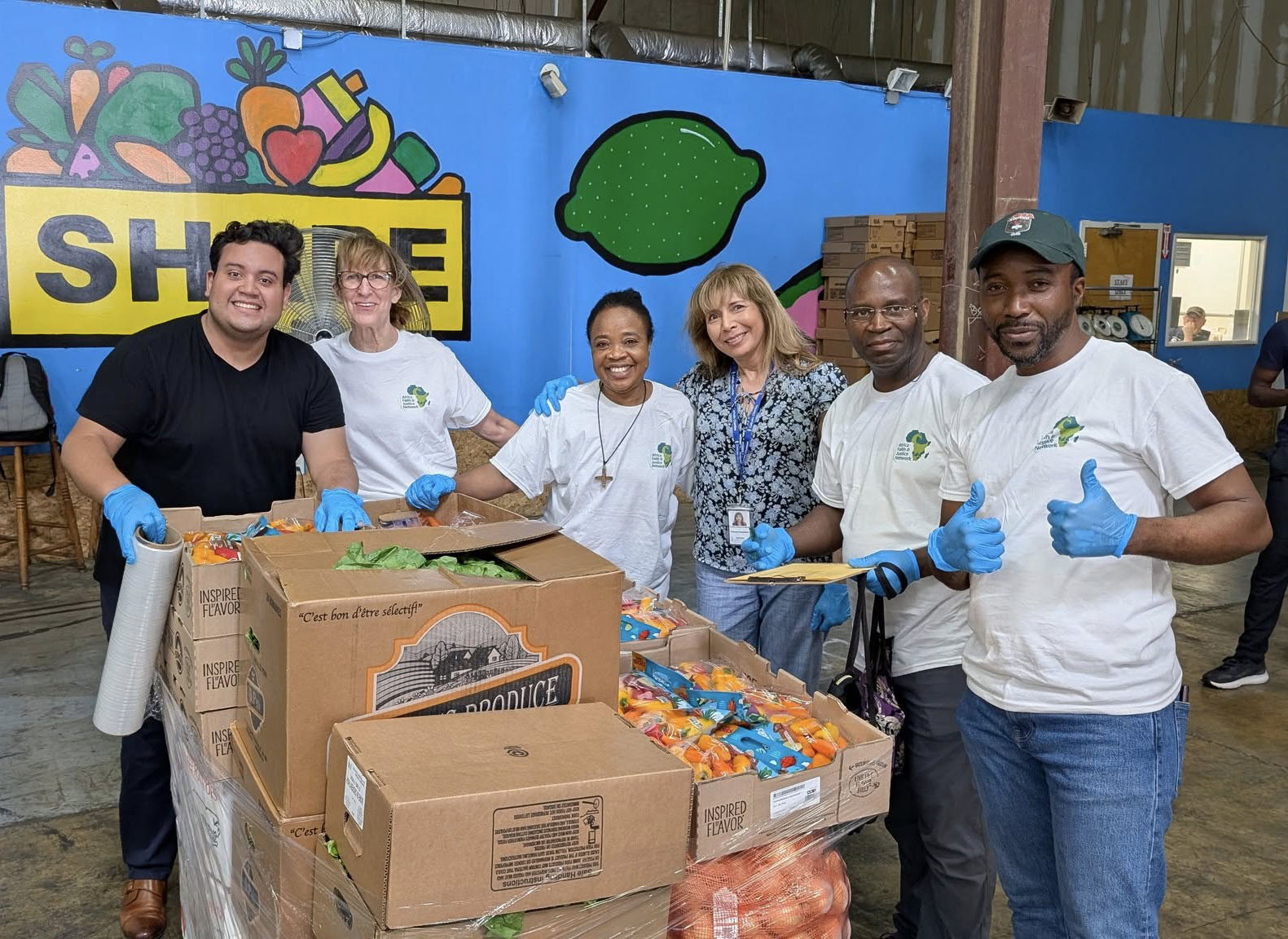
For the past 10 years, AFJN has led the Continental Land Grabbing Conference with other allies that are active in the region. AFJN has advocated against predatory land grabbing with the goal of ensuring that foreign investment will benefit local communities and respect their rights to sustainable and equitable development. This reinforces the long-held practices of the African people to care for their community and their environment.
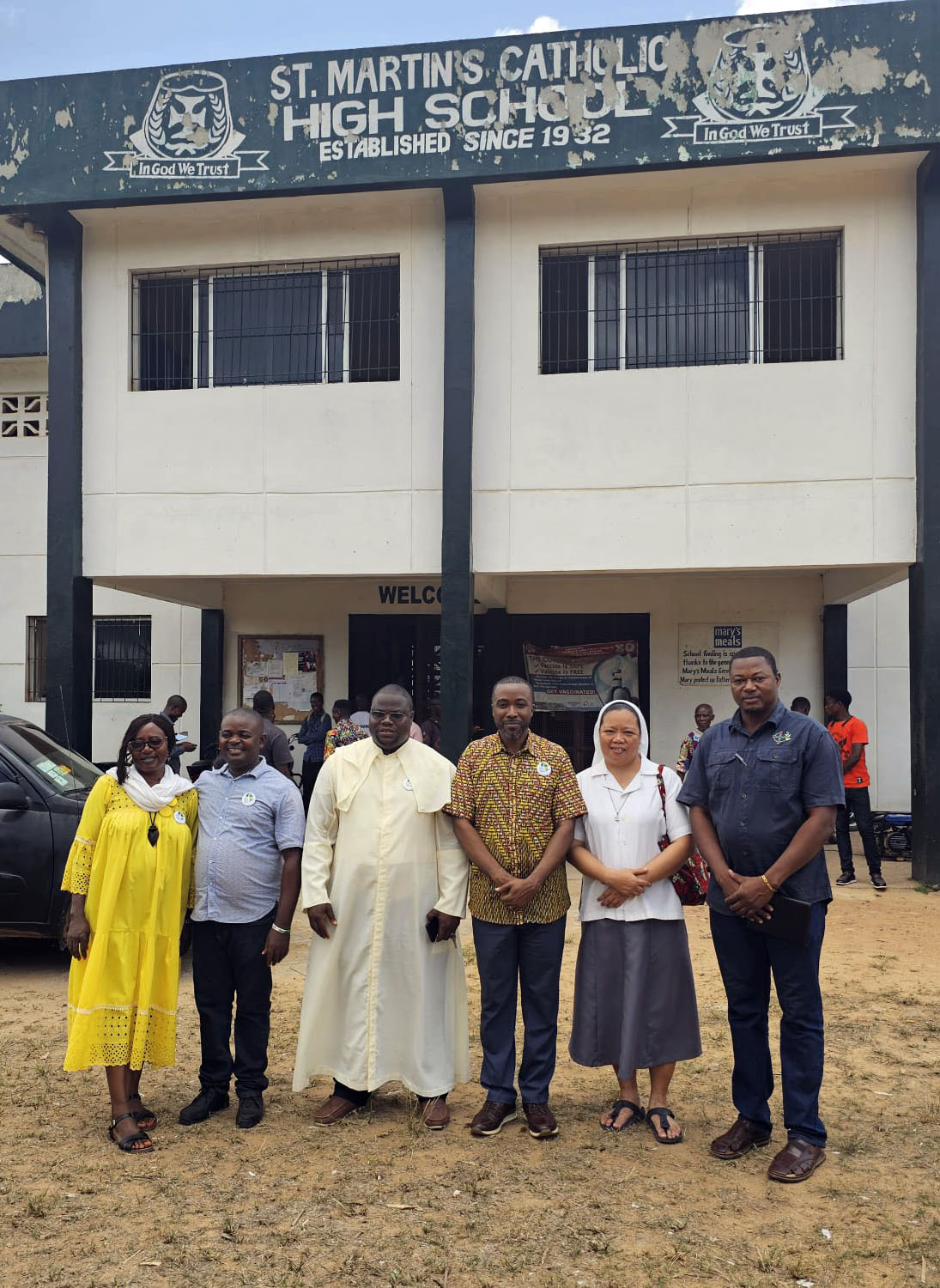
AFJN’s Women Empowerment Project has expanded the highly respected role of women religious over the last three years. African Catholic nuns are now active in the public square, often working with former students, to educate on social injustices towards women and children based on Catholic Social Teaching. They also advocate for justice and peace in the local government through transparency and accountability.
Through a partnership with the US Conference of Catholic Bishop, AFJN raises awareness about systemic issues on the African continent. Dr. Rogers says that the Catholic Church can encourage the “US government to be more proactive, to help people in those areas whose voices, whose problems, whose tragedy no longer makes the national or global news.” The evolution of the African people has shown that continued development of US-Africa relations is mutually beneficial in our global world.
HOW CAN YOU GET INVOLVED?
If you would like to get involved in supporting the African Faith and Justice Network, there are multiple ways to do this. Go to AFJN.org to learn more about how the empowerment of the African people is fulfilling the CST principle of “The Universal Destination of Goods”. Become a member along with the 36 other religious congregations who are part of the network building coalitions to advocate for the support of justice and peace programs. Donate to further the growth of the Catholic Social Teaching in Africa through AFJN.