
The Dignity of the Person
“The Catholic Church proclaims that human life is sacred and that the dignity of the human person is the foundation of a moral vision for society. This belief is the foundation of all the principles of our social teaching...We believe that every person is precious, that people are more important than things and that the measure of every institution is whether it threatens or enhances the life and dignity of the human person.” (USCCB)
“…[T]he dignity of every human person must be respected today, not tomorrow, and the extreme poverty of all those to whom this dignity is denied should constantly weigh upon our consciences.” (Pope Leo XIV, Dilexi te no. 92)
WHAT IS THE DIGNITY OF THE PERSON?
For Dalit Solidarity, “dignity is the unwavering belief that every human being – regardless of caste, class, gender, or socio-economic background – is inherently valuable and deserving of equality, respect, and opportunity,” professes Fr. Ben Chinnappan, founder and Executive Director. Fr. Ben’s passion for the Dalit people of India, who are considered outcasts of the caste system, stems from the fact that he, too, was once considered an “untouchable” until he was educated by Catholic missionaries and came to the US with their help.
HOW DOES DALIT SOLIDARITY PRACTICE THE DIGNITY OF THE HUMAN PERSON?
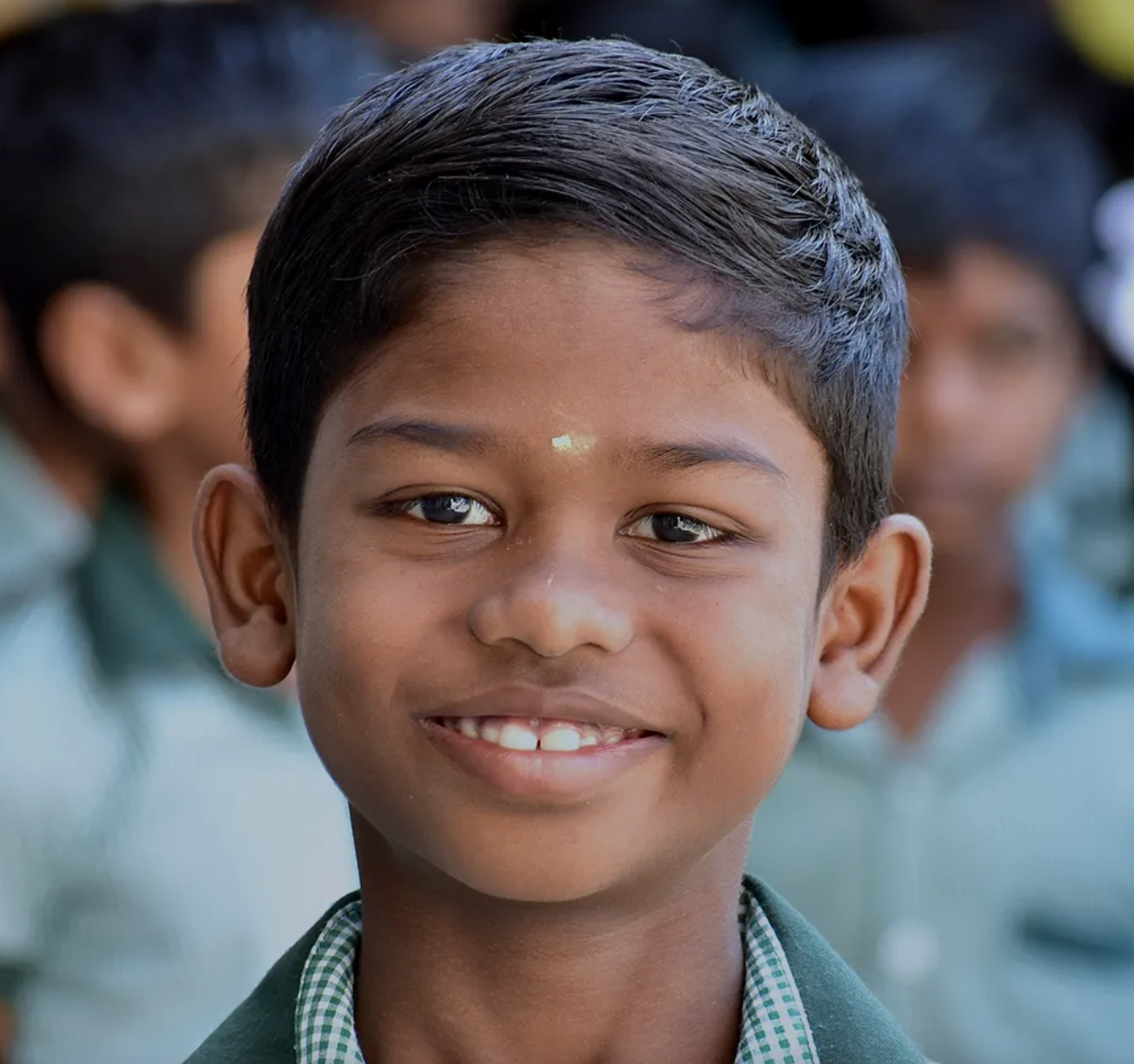
Fr. Ben started Dalit Solidarity 25 years ago with The Dignity of the Person as the driving force and heart of the non-profit's mission, the way to make the Gospel visible. Supported by the teachings of the Catholic Church as espoused by numerous popes, Fr. Ben upholds the belief that “every Dalit child and family is fully human, fully loved, and fully capable.” As a result, Dalit Solidarity is dedicated to empowering the poor and marginalized communities of India—especially the Dalits—through education, healthcare, community empowerment, women’s advancement, and social uplift.
WHAT IS THE IMPACT?
Education is a top priority for Dalit Solidarity, one that is close to Fr. Ben’s heart because he credits the schooling he received from the missionaries to his becoming a Catholic priest and being able to help his own people in India. At St. Patrick’s Academy, more than 750 children receive an education in English, which would not be available to them otherwise because of their position in society as a Dalit.
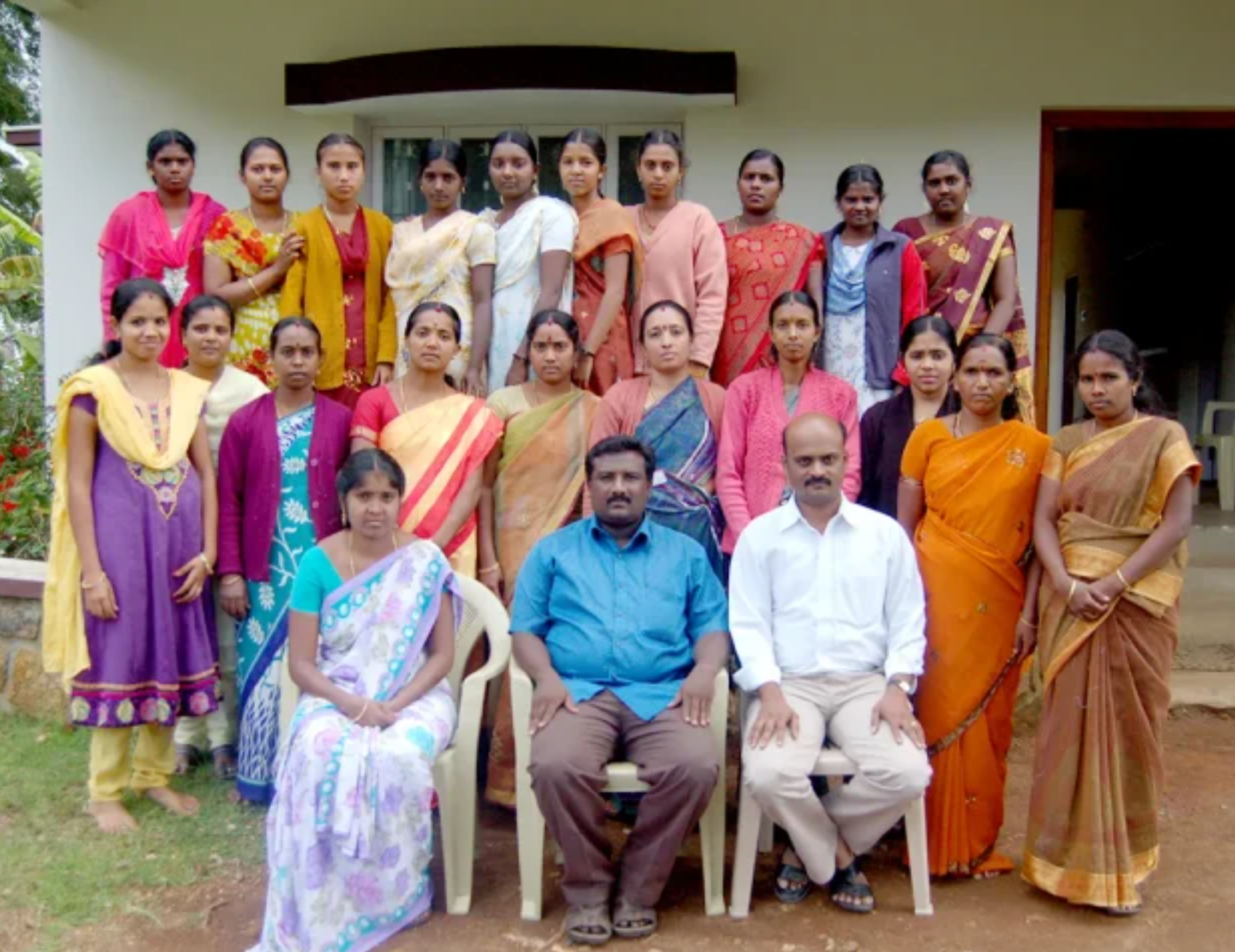
Dalit Solidarity’s women’s empowerment initiatives have helped raise the status of 850 young widows who were thrown out of society due to their being perceived to have bad karma. The economic independence and social respect of these women have been restored by providing them with homes, job opportunities and even cows that support their livelihood, allowing them to live with dignity and purpose.
According to Fr. Ben, the most important impact achieved in the people and communities served by Dalit Solidarity is the transformation from a life of discrimination and exploitation to one of restored dignity and renewed hope. The people learn to recognize that they are precious in the eyes of God, that they are entitled to basic human rights like education and employment, and that they can advocate for their own equality. This shows that Dalit Solidarity is more than just a charity; it is the empowerment of the Dalit people with the opportunity to live lives of self-respect, independence, and hope.
HOW CAN YOU GET INVOLVED?
You can join with Dalit Solidarity in upholding the dignity of the poor in India through prayer, donations, or volunteering. Praying for the Dalit people fulfills God’s call for us to show our love for the poor and marginalized. Financial support as an individual or via a group partnership can be provided by sponsoring a child or widow or by contributing to a specific initiative such as education, healthcare, or drinking water. Volunteers can offer time, talent, and experience to further the mission directly or by becoming an ambassador to advocate for Dalit dignity. Visit dalitsolidarity.org to learn more.