
Subsidiarity
“The person is not only sacred but also social. How we organize our society—in economics and politics, in law and policy—directly affects human dignity and the capacity of individuals to grow in community...We believe people have a right and a duty to participate in society, seeking together the common good and well-being of all, especially the poor and vulnerable.” (USCCB)
“'Let us keep in mind the principle of subsidiarity, which grants freedom to develop the capabilities present at every level of society, while also demanding a greater sense of responsibility for the common good from those who wield greater power.” (Pope Francis, Laudato si' no. 196)
"The Aparecida Document [of the Latin American bishops] situates the Church’s mission in the present context of a globalized world marked by new and dramatic imbalances… [The Document] insists on the need to consider marginalized communities as subjects capable of creating their own culture, rather than as objects of charity on the part of others.” (Pope Leo, Dilexi te no. 100)
WHAT IS SUBSIDIARITY?
Petrinus was founded as a communications program for the Pallottine missions to animate the missionary spirit and bring greater awareness to the missions. Latin for "of Peter", Petrinus was named in honor of Fr. Peter Sticco and the successors of St. Peter. According to co-founder Jules Calzonetti, her goal is to “realize the aspect of St Vincent Pallotti as a missionary saint.” She strives to strengthen what the missions already have, grounded in the principle of subsidiarity, “starting at the local level and asking what the priorities are.” She adds that subsidiarity respects personal dignity and recognizes that people are capable of giving something to others as Pope Benedict XVI wrote about in Caritas In Veritate.
HOW DOES PETRINUS PRACTICE SUBSIDIARITY?
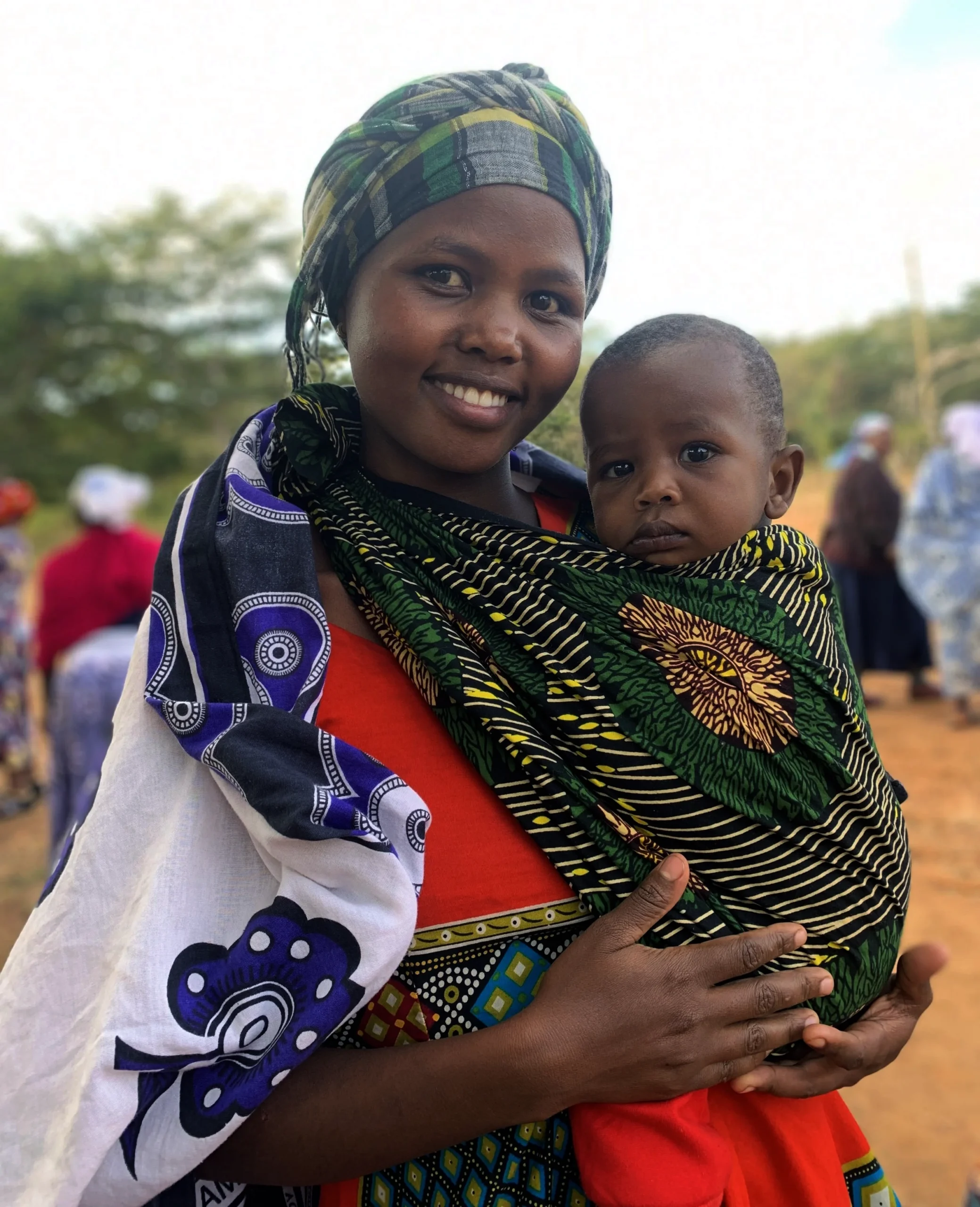
Petrinus is an independent nonprofit focused on integral human development through the integration of Catholic Social Teaching and global frameworks, translating the Church's social doctrine into training, education, project development, and strategic engagement within today's international landscape. Jules references Pope Paul VI and his encyclical Populorum Progressio when she speaks of practicing subsidiarity at Petrinus, specifically the notion that the people themselves must be the principal artisans of their own development, and every person has their own culture and that must be respected. Jules works specifically with the missions in India and East Africa to educate them on a western funding model, providing them the tools to take charge of their own development and help them to fund the projects they want to complete.
WHAT IS THE IMPACT?

Through lessons in Project Management and Project Writing as well as courses on Catholic Social Teaching, International Relations, and Pontifical Missions, Petrinus empowers missionaries to generate funding proposals and find agencies and philanthropists willing to financially support their specific project goals. Technology and the positive use of Artificial Intelligence also play a part in bringing important tools and needed visibility to the Pallottine missions that are served by Petrinus.
A significant need identified by Petrinus has been with children’s homes for the disabled. These homes give severely disabled children a life outside their rural home by allowing them to be cared for while they attend school. Jules designed websites for the mission homes that serve a dual purpose: enabling families to find help for their disabled children to improve their future and allowing greater visibility for funding agencies that may want to assist with this mission.
Consistent with the local mission to support disabled children, Jules toured ten different missions in East Africa three years ago. She then worked with the local economic bursar and mission director to create proposals for funding a school that they wanted to build on an empty plot of land. Thanks to the donations received so far, the school is almost halfway completed. In addition, a separate proposal resulted in the school obtaining a much-needed new car to help with transportation for the children.
HOW CAN YOU GET INVOLVED?
Petrinus is fully funded by the Pallottine congregation today with a focus on continuing to develop the mission of this organization. As course offerings expand and outreach increases, additional financial support would be a goal for the future. Jules does encourage everyone to get involved in projects at a local level, in the spirit of subsidiarity, because we are the “saints next door” whose holiness can “grow through small gestures” as Pope Francis said.